
Our Projects
Advancing Sustainability, Innovation and Community Growth
At Phambili Energy, we are building a future based on practical innovation and real community impact. Our facilities aren't just industrial sites. They are active centres for green energy, local economic growth, and environmental care. We are proud to highlight our flagship Donnybrook Biomass Facility and our upcoming expansion at the Imbali Project Site in Pietermaritzburg.
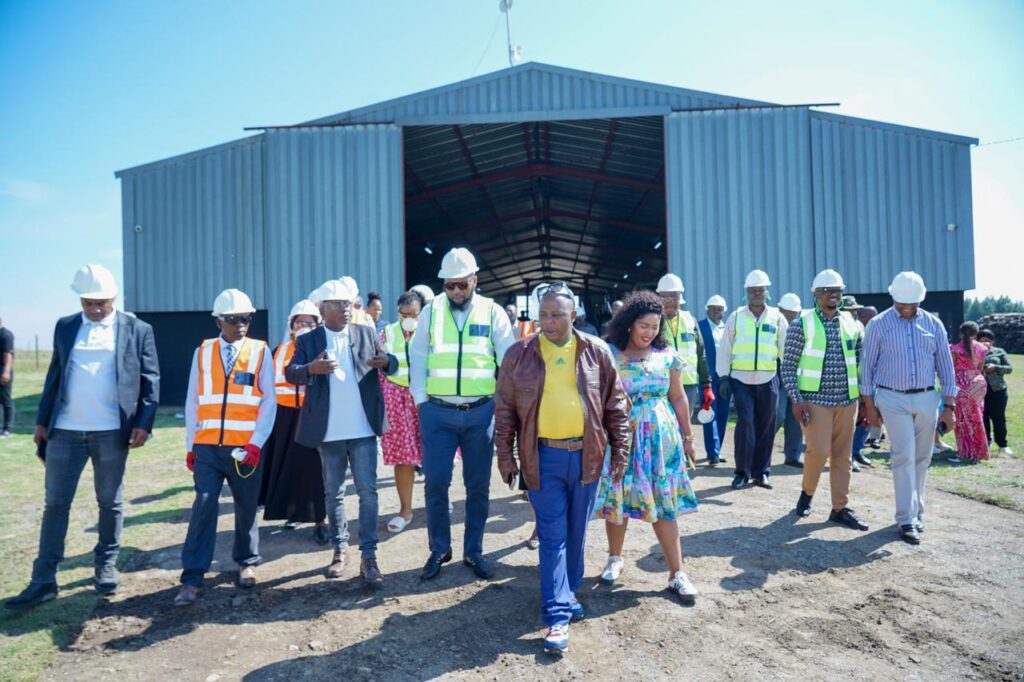
The Donnybrook Biomass Facility
Located in Donnybrook, KZN Midlands
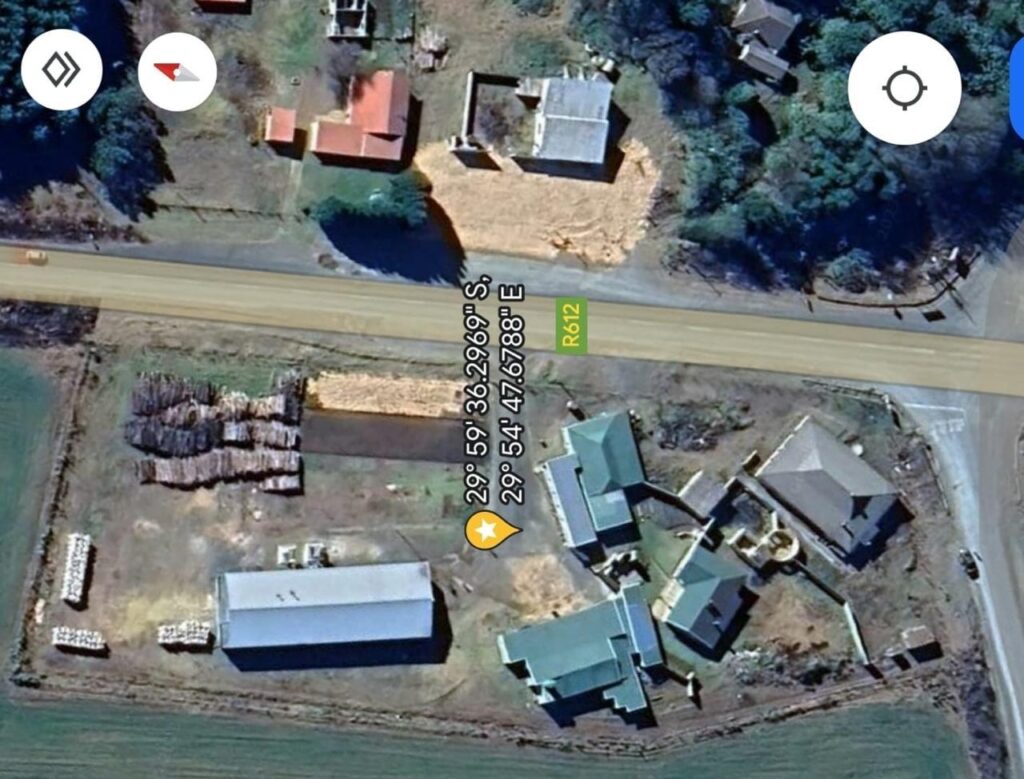
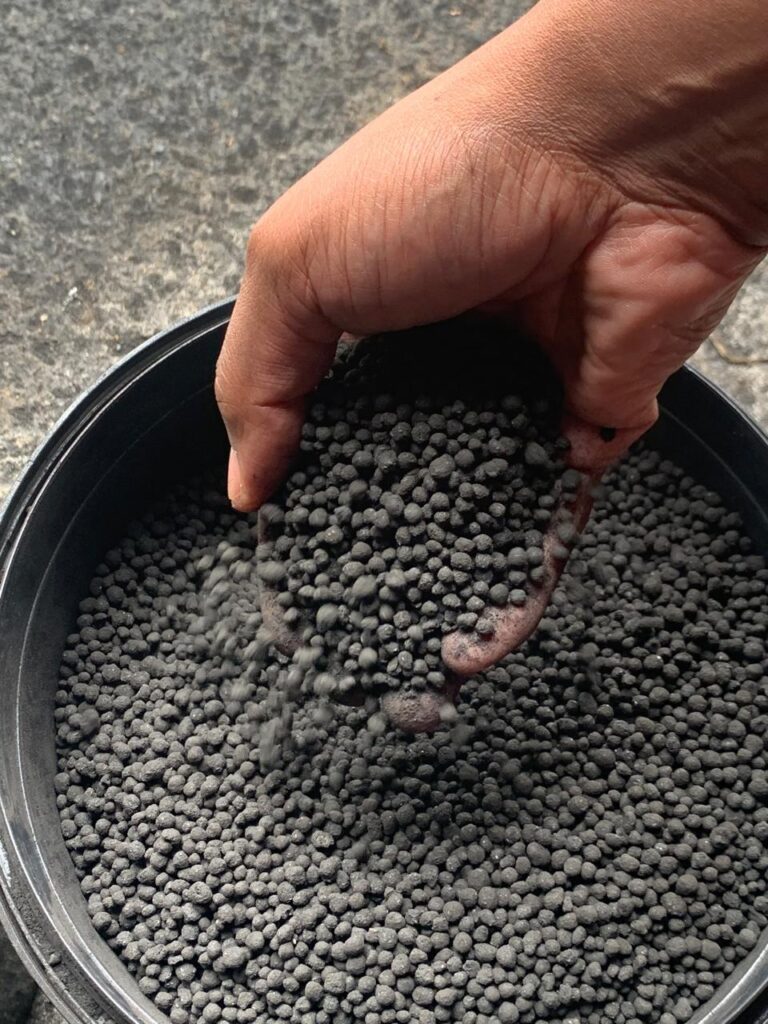
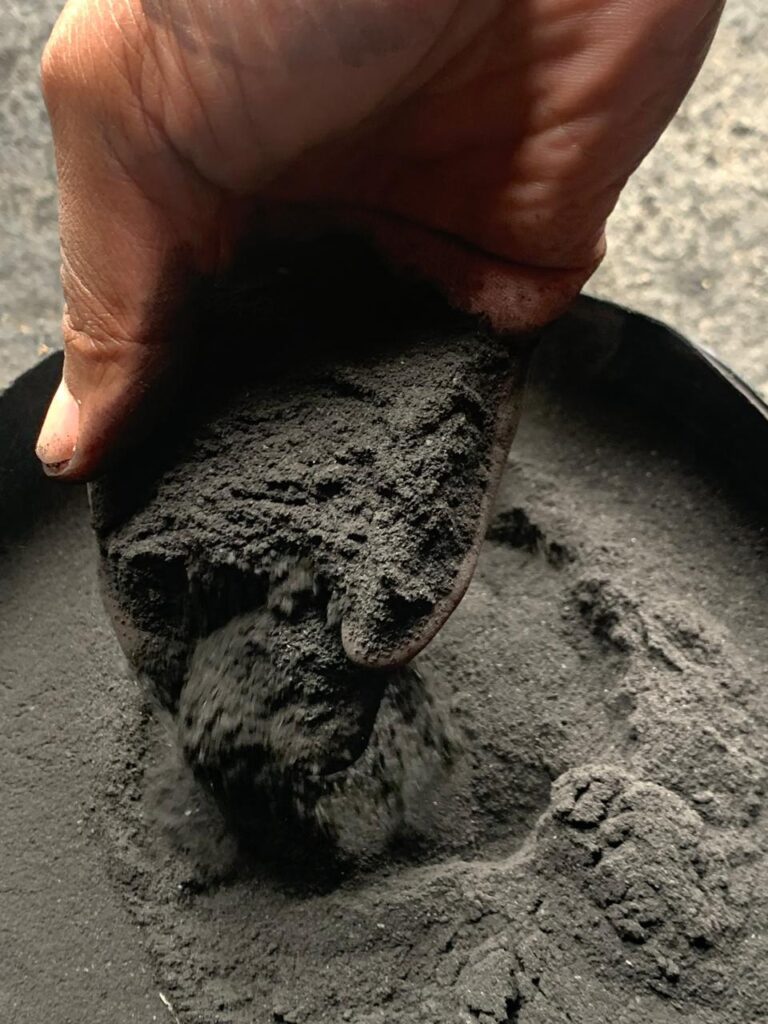
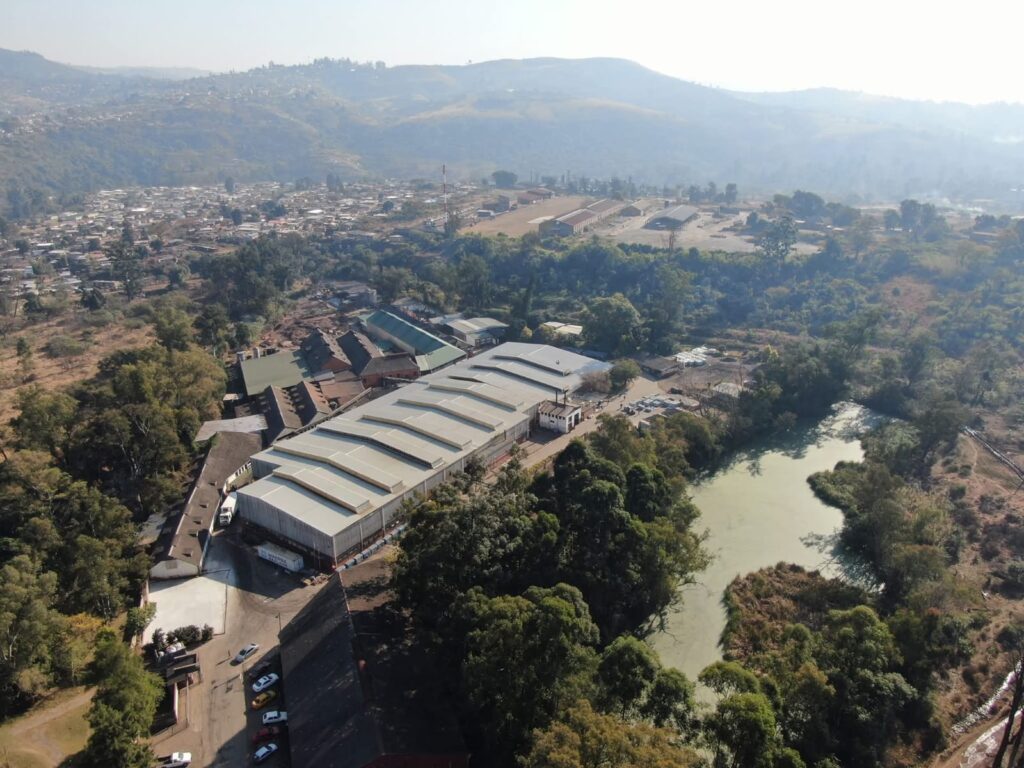
Located on a 16-hectare site in the heart of the Midlands biomass cluster, the Donnybrook Biomass Facility is our proof of concept in action. It is a fully operational demonstration and commercial plant surrounded by major plantations and sawmills. Here, we convert sustainable resources into Jenga-branded bio-products, creating a hub for research, skills development, and local economic growth. The facility also generates verifiable carbon credits while supplying Jenga Bio Fusion and Jenga Bio Granules to the agricultural sector.
340 tonnes
Jenga Bio Char / month
450 tonnes
Jenga Bio Acid (crude) / month
173 tonnes
Jenga Bio Oil / month
11 tonnes
Jenga Bio Bitumen / month
288 tonnes
Potential Power Generation up to 500 kW
Strategic Sourcing & The Circular Economy: Our location is critical to our model. We are bordered by major players like Sappi and Mondi, as well as CHEP operations and various sawmills, ensuring a steady supply of woody biomass. Additionally, neighbouring dairy farms provide cow manure and other agricultural residues. This "cluster advantage" drastically cuts logistics costs and carbon intensity, allowing us to utilize regional waste streams efficiently.
Production Capacity & Innovation: The Donnybrook facility runs dual BCT plants capable of processing biomass at 850 kg/hour and 1,000 kg/hour. From this, we produce a range of Jenga bio-products monthly. Our downstream processing includes granulation and pellet lines, featuring a 500 kg/hour machine for Jenga Bio Fusion, a disc pan granulator, and a pelletizer. A 24-tonne/day dryer ensures all products are ready for storage and export. These products serve as soil amendments, industrial bio-feedstocks, and energy carriers.
Community Impact & Skills Development: Donnybrook is designed to benefit the local area. We support agronomic trials, offer farmer training, and create local jobs. By increasing the demand for residues, we benefit local sawmills and plantations, ensuring that the economic advantages of our operations circulate within the community.
Carbon Sequestration: We take a rigorous approach to carbon credits. By selling 340 tonnes of biochar per month, we estimate carbon sequestration of 748 to 1,190 tCO2e monthly. We register these sales under an accepted registry using a strict "measurement, reporting, and verification" (MRV) system. Every batch is traceable, with lab certificates confirming carbon content. We also capture syngas to maximize energy recovery, further lowering our environmental footprint.
Safety and quality are non-negotiable. We maintain strict in-process monitoring, batch traceability, and comprehensive operator training to ensure regulatory compliance and operational safety.
Safety and quality are non-negotiable. We maintain strict in-process monitoring, batch traceability, and comprehensive operator training to ensure regulatory compliance and operational safety.
The Imbali Project Site
Expanding to Pietermaritzburg
Following the success of Donnybrook, we are developing the Imbali Project Site at the KZN Leather Eco Hub in Edendale, Pietermaritzburg. Scheduled for commissioning in 2027, Imbali will replicate our proven model on a larger scale. The site will deploy two BCT plants, scaling production up to 500 tonnes of Jenga Biochar per month while offering the same agronomy services and carbon tracking systems.
Local Integration & Economic Benefits: Located within the Leather Eco Hub, Imbali will utilize diverse local feedstocks, including tannery byproducts and agricultural residues. This project is designed to align with provincial industrial policy, driving job creation and skills development in the area. It will operate in synergy with Donnybrook, sharing data and R&D to accelerate market readiness.
Scaling Carbon Reduction: Imbali will adopt the same conservative MRV approach as Donnybrook. With increased production capacity, we project a carbon sequestration potential between 1,100 and 1,750 tCO2e per month.
Safety & Compliance: Imbali will adhere to ISO-aligned quality and safety standards. This includes advanced emissions controls, efficient syngas capture, and robust water/waste management systems to meet all regulatory requirements.
Next Steps: With a 2027 target, our current focus is on finalizing engineering, securing feedstock agreements, and engaging with provincial stakeholders for permitting.
The Nkomazi Project Site
Powering Mpumalanga’s Green Transition
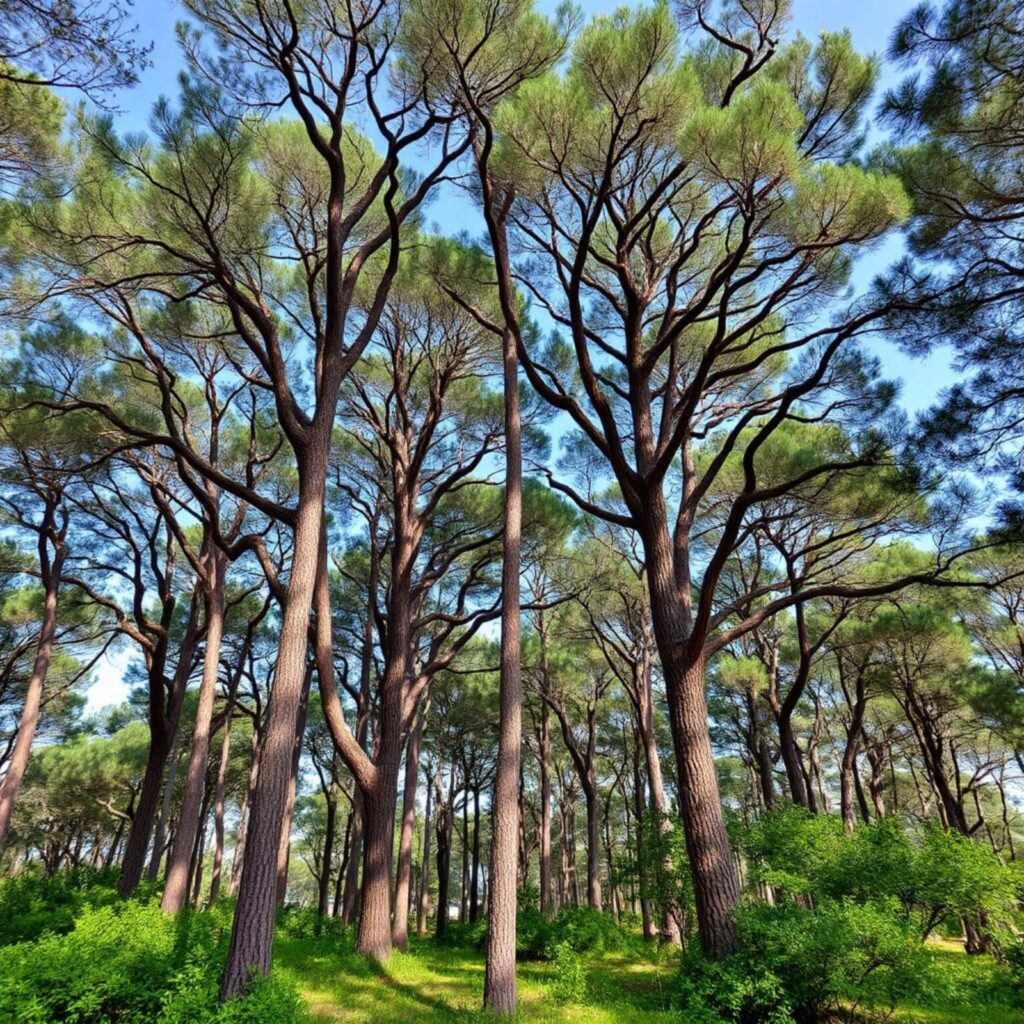
Targeted for development in the heart of South Africa’s energy belt, the Nkomazi Project Site in Mpumalanga represents a strategic shift towards renewable industrial solutions. Positioned near established forestry corridors and agricultural hubs, this facility is designed to transition the region from traditional energy reliance to a bio-economy future. This site will serve as a critical node for testing high-yield biomass conversion adapted to the Highveld’s unique climate and feedstock availability.
Strategic Sourcing & Regional Synergy: Mpumalanga offers a rich array of agricultural byproducts and forestry residues. By establishing operations here, we tap into a dense supply chain of maize stover, invasive alien plant species, and timber residues. The Nkomazi site will collaborate with local conservation initiatives to harvest invasive vegetation, turning an environmental liability into a valuable energy asset, thereby restoring local water tables and biodiversity while fueling our BCT plants.
Production Goals & Economic Impact: Projected to match the capacity of our Donnybrook facility, Nkomazi aims to produce 340 tonnes of Jenga Bio Char monthly. The site is specifically designed to support the region’s expansive agricultural sector by providing Jenga Bio Fusion soil amendments to rehabilitate coal-impacted soils. We are committed to reskilling workers from the traditional energy sector, offering training in bio-refinery operations and sustainable agriculture.
The South East of the USA Project
A Transatlantic Expansion
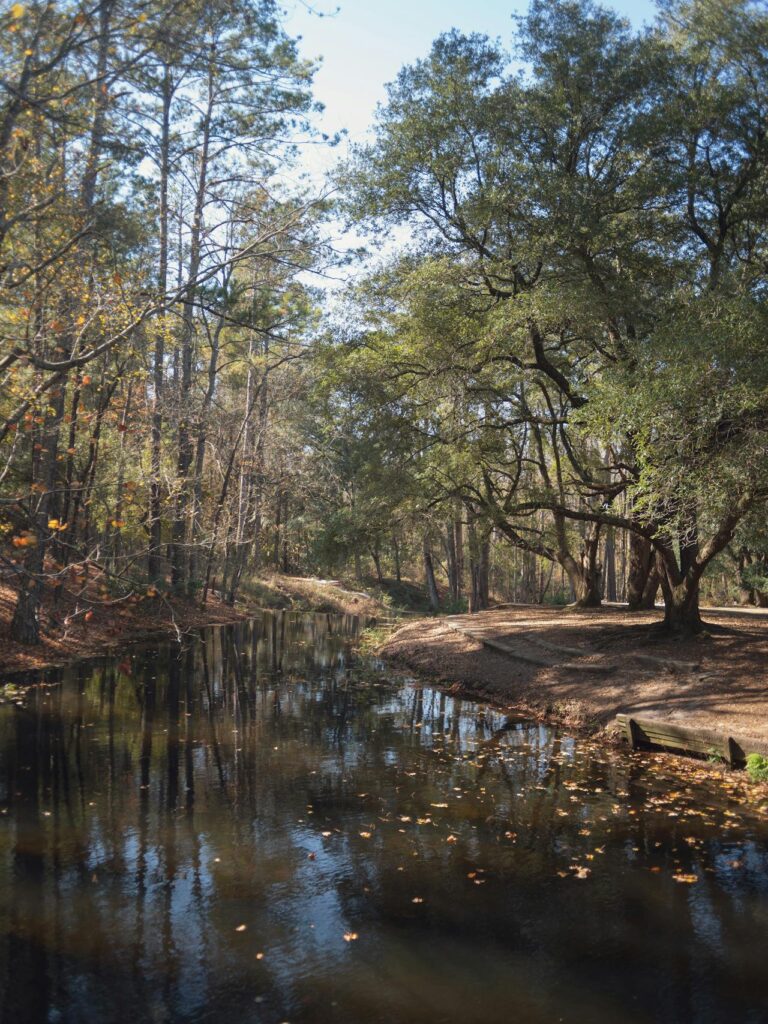
Marking Phambili Energy’s entry into the North American market, our upcoming facility in the South East of the USA is situated to leverage the state’s thriving forestry industry. This project introduces our proprietary Jenga bio-product line to the United States, combining South African innovation with an American industrial scale. The facility will serve as our US headquarters for R&D, focusing on adapting our BCT technology to processing Southern Yellow Pine residues.
Strategic Sourcing & Market Integration: Our facility will integrate directly into the existing logging supply chain, utilizing slash and mill residues that would otherwise decompose or be burned inefficiently. We aim to close the loop for local timber producers, offering an economically viable outlet for waste while producing high-grade biochar for the state’s massive poultry and crop farming sectors.
Carbon Sequestration & Global Standards: Aligning with strict US environmental regulations, the South Carolina Project will implement state-of-the-art emissions control and monitoring. We anticipate sequestering approximately 1,200 tCO2e monthly upon full operation. This facility will also pilot a new program for selling carbon removal credits directly to US-based corporations seeking to offset their net-zero targets, adhering to Verra and Gold Standard methodologies.
The Georgia Biomass Hub
Scaling Innovation in the Peach State
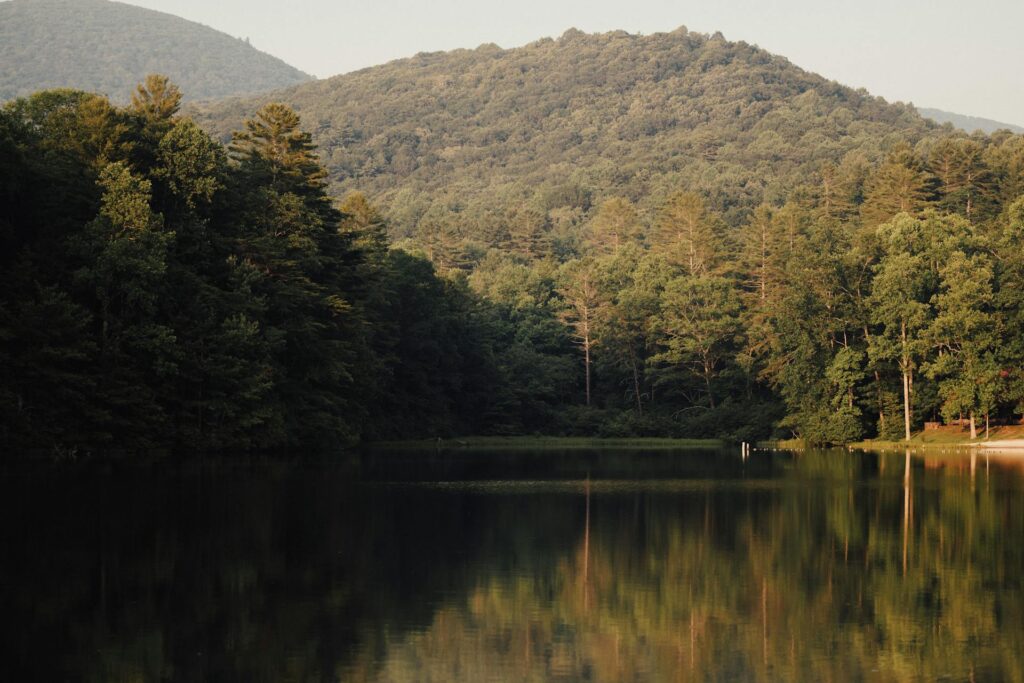
Following closely on the heels of our South Carolina expansion, the Georgia Biomass Hub will be located near Savannah to take advantage of world-class logistics and export infrastructure. This site is envisioned as a large-scale commercial plant focused on export-grade production and advanced bio-oil refining. It represents the next evolution of Phambili Energy’s global footprint, bridging local production with international demand.
Strategic Sourcing & The Circular Economy: Georgia boasts the largest commercial timberland commercially available in the US. Our facility will operate in synergy with the state’s vast pecan and peanut industries, utilizing shell waste alongside wood chips to create unique, nutrient-dense biochar blends. This multi-feedstock approach ensures a year-round, uninterrupted supply chain and allows us to produce specialized Jenga Bio Granules tailored for diverse agricultural needs.
Community Impact & Future Readiness: The Georgia Hub is designed to be a significant employer in the rural sector. Beyond direct employment, we plan to partner with local agricultural universities to conduct long-term soil health studies using Jenga products. The site is projected for commissioning in 2028, with a focus on producing Jenga Bio Oil as a renewable feedstock for the burgeoning sustainable aviation fuel (SAF) market in the region.
Our projects and our products drive sustainability, community empowerment, and a transformative impact on the environment.
Catalyzing Green Jobs and a Regenerative Value Chain
The deployment of our projects generates a measurable and profound value chain impact, particularly in rural areas across both Africa and the United States. While each individual plant creates 45 sustainable direct jobs, our operations trigger significant business growth for Small, Medium, and Micro Enterprises (SMMEs) dedicated to the supply of raw materials, consumables, packaging, and services. This business model is fundamentally regenerative and not extractive. Philosophically, our projects are designed to serve the human spirit through a stakeholder business model that equally respects shareholder value where sustainability is core. Looking ahead, the total target for direct jobs across all future projects—over and above the pipeline mentioned here, both locally and globally—is set to reach 6,000 direct jobs, driving economic vitality where it is needed most.
Our projects and our products drive sustainability, community empowerment, and a transformative impact on the environment.
Through Donnybrook, Imbali, Mpumalanga, South Carolina, and Georgia, Phambili Energy is committed to proving that bio-products and carbon sequestration can drive real economic value and environmental responsibility.